
Too much admin
Quotes, updates, checking, copying, reporting, and follow-ups eat time that should be spent running the business.
I have spent decades in business, in director-level roles and alongside growing SMEs, watching the same pattern repeat: more customers and more activity, but also more admin, weaker visibility, slower decisions, and more pressure landing back on the owner.
Better Never Stops is where I write and speak about those patterns. The aim is simple: help owners see where the business is getting heavier than it should be, why control starts to slip, and what practical changes make growth easier to absorb.
Based in Suffolk. Working with growing UK SMEs.

Better Never Stops
Founder-led thinking on operational friction, control, and implementation routes into Digital Teams when the fixes need turning into working systems.

30+ years in business
Founder of Better Never Stops
Author of How To Fall Back In Love With Your Business
Writing on admin drag, control, and growth friction in UK SMEs
Most owners do not get stuck because they lack ambition or demand. They get stuck because the operation becomes heavier, slower, and harder to control than it should be.
Quotes, updates, checking, copying, reporting, and follow-ups eat time that should be spent running the business.
The CRM says one thing, spreadsheets say another, inboxes fill the gaps, and nobody trusts the full picture.
Owners cannot see bottlenecks, missed work, margin leaks, or drifting jobs until the problem is already expensive.
Routine work depends on interruptions, memory, and escalations instead of clear handoffs and consistent process.
More customers and more staff expose weak processes, hidden knowledge, and too much owner dependency.

The pattern is rarely a lack of demand. It is usually admin drag, weak handoffs, poor visibility, and too much knowledge trapped in a few people.
On the surface, the business can look healthy. Revenue is moving. The team is busy. Customers are coming in. Underneath, routine work is taking too long, information is scattered, and the owner keeps getting pulled back into day-to-day decisions.
What used to feel energising starts to feel heavier than it should. That is usually the point where growth stops feeling like freedom and starts feeling like friction.
That is why I focus on practical diagnosis: where the handoffs break, where visibility disappears, where admin expands, and where the business has become too dependent on memory or heroic effort.
When a business feels busy but harder to manage, it is usually one of these patterns.
Processes live in people's heads, so simple work depends on interruptions.
Systems do not join up, so teams keep re-entering, checking, and chasing information.
The owner becomes the default fix for decisions, approvals, and missing context.
Reporting arrives too late, so problems get managed by instinct instead of visibility.
Growth adds volume faster than the operation adds consistency.

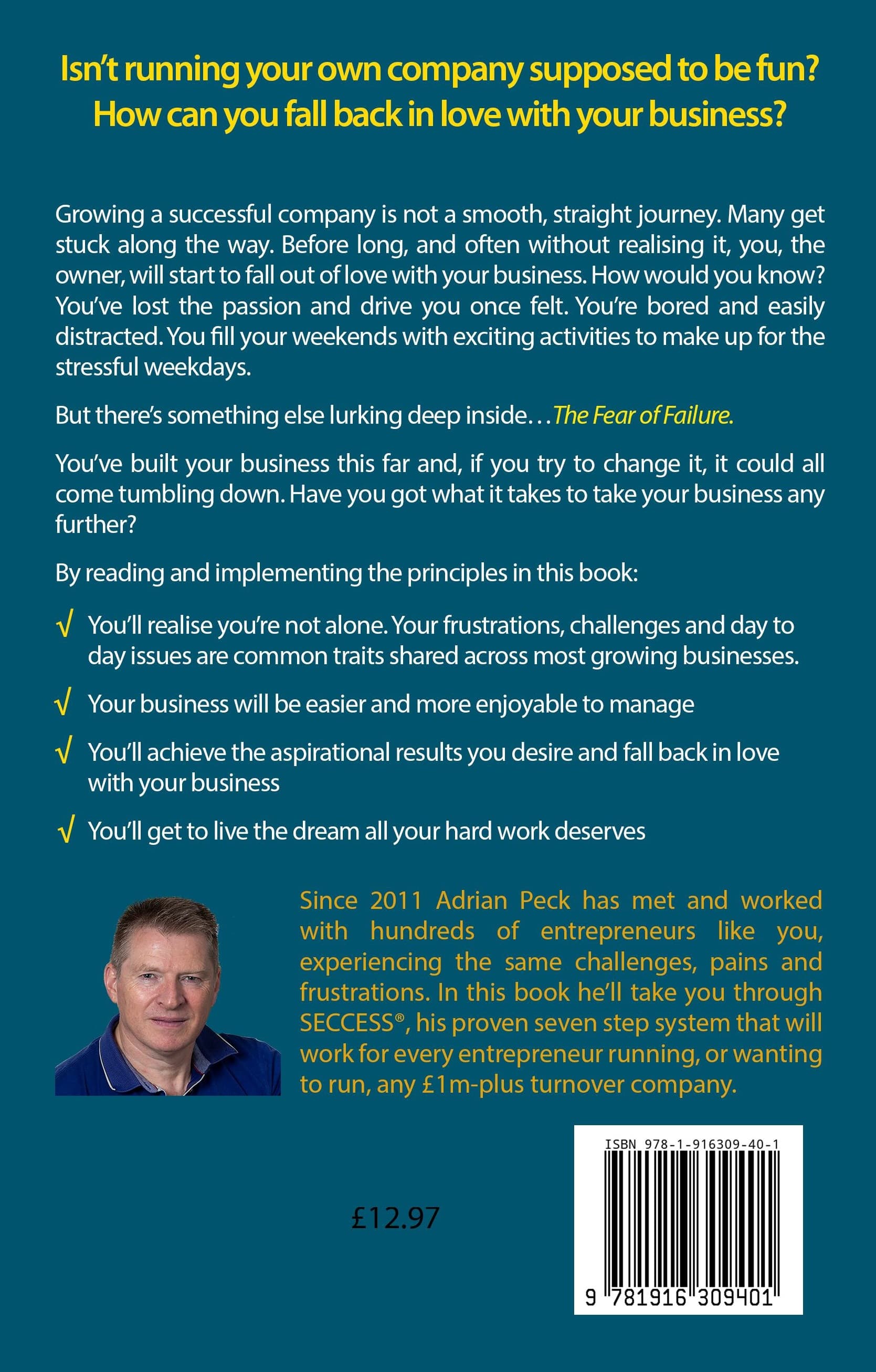
A practical read for owners who can feel the business getting heavier: more admin, less visibility, more firefighting, and too much resting on them.
It helps put names to the patterns that make a business frustrating to run, so the problems become easier to diagnose and fix.
Some businesses only need sharper diagnosis. Others need the operational fixes turning into working systems.
That is where Digital Teams becomes relevant.
This site is about perspective and diagnosis. Digital Teams is the implementation route when admin needs reducing, workflows need tightening, and better visibility needs turning into day-to-day practice.
Short, practical pieces on admin drag, system gaps, growth friction, and the operating patterns that make good businesses harder to run.
Growth, profit, and consistency all depend on one thing. Without control, businesses become heavier, less predictable, and harder to scale.
Read moreAs businesses grow, workflows that once felt simple begin to break down. What worked at a smaller scale becomes inconsistent, unclear, and harder to manage.
Read moreMost operational problems are not sudden. They build over time, but many businesses only act once the damage is already done.
Read moreIn five minutes, the Digital Teams scorecard helps identify where time, admin, friction, and inefficiency may be leaking from the business.
Designed for ambitious small and medium-sized businesses that want clearer visibility on operational waste and opportunity.
Whether you want a better perspective, a clearer route forward, or practical systems that reduce chaos, this is a good place to start.
Good next steps
Take the scorecard
A quick diagnosis of where time, admin, and friction are leaking away.
Talk through the issue
Use the contact form if you want a more direct conversation.
Move into implementation
Digital Teams is the route when the fixes need turning into working systems.